























































It’s no secret that voters in urban areas tend to support increased government spending while those in rural areas do not. This political cleavage has plagued the U.S since the 1930’s and has become a consistent trend in voters since. The question is, why?
How it started
Before the 1930s, there was little evidence of this cleavage, but considering the stock market crash of 1929, it is no surprise that finances were a substantial player in voter behavior. This vulnerability lead to the main political parties take advantage of the financial and economic statuses of specific geographical areas. This was further backed up by the very political times during the second world war. This marked the shift in the Democratic party from class based beliefs to a more universal focused ideology. This shift enticed those living in urban areas who had been hit hard by both the war and the Great Depression. They then found better representation in the Democratic strategies than they had previously in the Republican ones. In turn Republicans also changed ideologies to better represent the rural voters who were not likely to switch parties.
Possible Reasons
Some of this disparity can be attributed to the economic status of the voters. Those in urban areas could be more inclined to support government spending because of their higher incomes. Life in cities is usually incredibly expensive, meaning that those living there have to have the means to support the lifestyle. Rural voters are often farmers or small business owners leading to lesser income. Voters from these sparsely populated areas make on average 4.0% less than the average urban citizen according to the U.S Census. Due to these vastly different spending habits and lifestyles it is no surprise that this could be a plausible reason for the divide.
Urban areas could also be more inclined to support government spending on the account of the direct effects it has on them. Being that urban areas force residents to live in close proximity, they are more attuned with the issues that affect not only them but also the people around them. While rural voters still have their shared issues, they are spread out and do not face the exposure political constituents in cities do. When a law is passed regarding the wellbeing of the public, outturns are more apparent where most of the populace resides. This being so, urban voters feel that these Democratic efforts are having more of an impact than rural voters, attributed to their lack of exposure.
Going Forward
It is expected that this cavernous divide will continue to split as time goes on. From 1932 onward, voter differences between the populations have never once lined up with one another. Urban areas are becoming more Democratic and in turn more supportive of higher government spending. Rural areas are developing in an opposite of this trend, slowly moving away from high spending and towards Republican ideals. That being said, in recent years this pattern has switched.
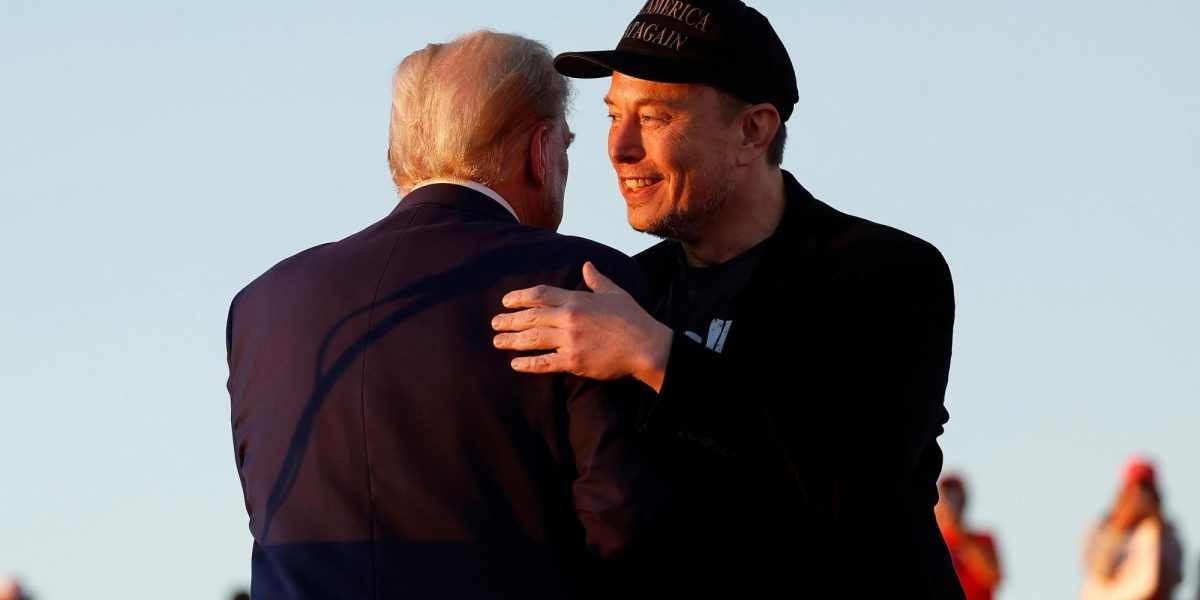
While voters still may vote based on history, in recent years the Republican party has spent more than the opposing party. This change is most likely attributed to who has been in charge for the last 4 years. President Trump seems more inclined to spend than some of his fellow Republicans.
Regardless, it stands to reason that the divide will not close anytime soon. Many other factors have contributed to the cleavage aside from the spending habits of the dominating political parties. For more in-depth information, the political science paper by Theo Serlin, The public agglomeration effect: Urban–rural divisions in government efficiency and political preferences includes graphs and equations to better back up his points. Overall the situation is not cut and dry nor is it the main factor in voting but it is a relative contributor to constituent behavior.